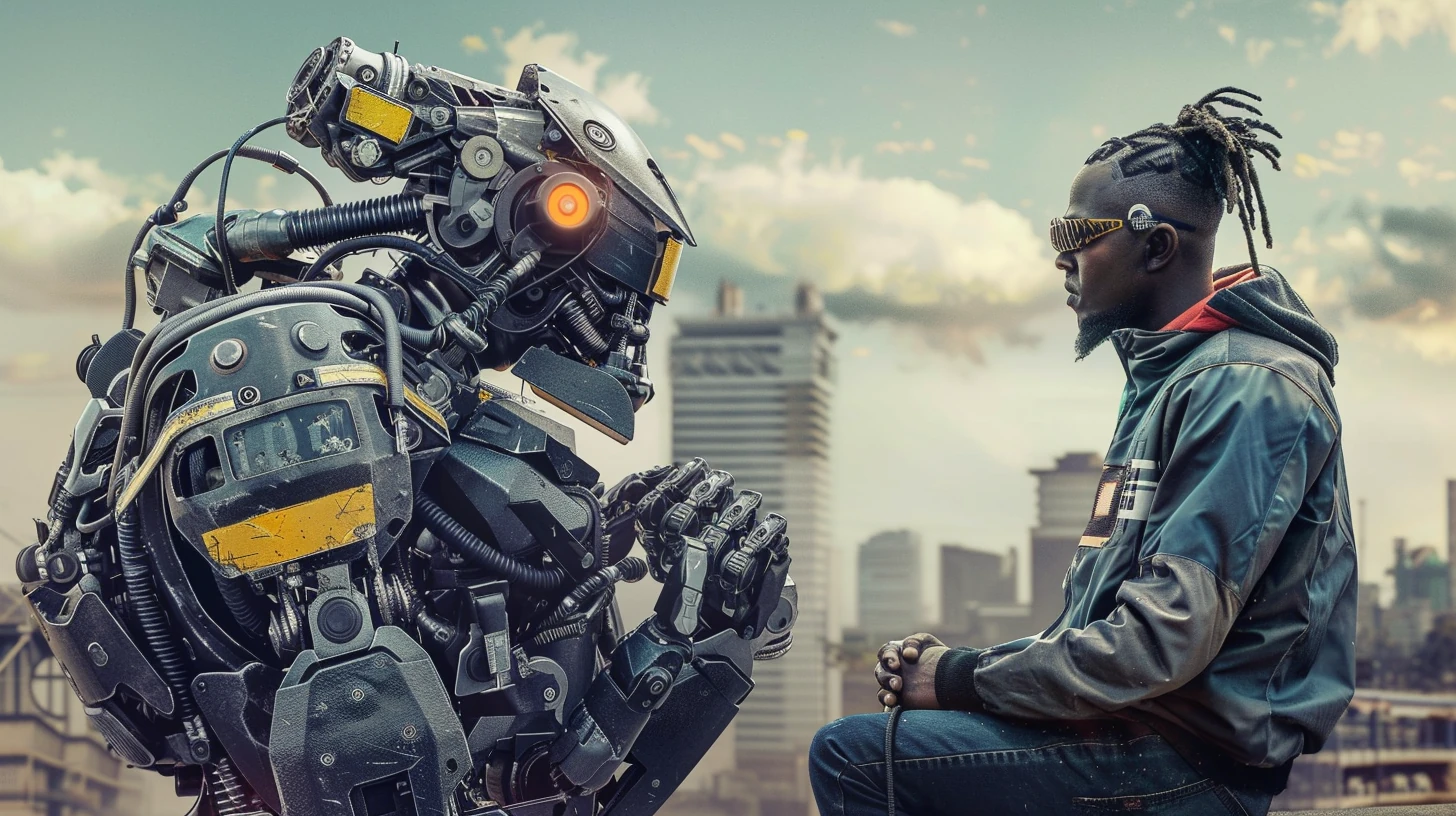
Content marketing, once the darling of digital strategy, is facing an existential crisis in 2025. The rise of AI-generated text, video, and even voice has fundamentally changed the landscape. Marketers, creators, and consumers alike are asking: Is the fine art of content marketing dead? Are we doomed to a future of “AI slop”—endless, soulless content churned out by algorithms? Or is there still a place for authentic, human-driven storytelling in a world where anyone can deepfake anything?
This article dives deep into the state of content marketing in 2025, examining the impact of AI, the shift from blogs to video, and the growing crisis of trust. We’ll explore whether content marketing is a shadow of its former self, or if it’s simply evolving into something new.
To understand where we are, it helps to remember where we’ve been. The 2010s and early 2020s were a golden age for content marketing. Brands built empires on the back of well-crafted blog posts, insightful whitepapers, and engaging social media content. The mantra was “content is king,” and for a while, it truly was.
SEO was the name of the game. Marketers obsessed over keywords, backlinks, and Google’s ever-changing algorithms. The best content wasn’t just optimized for search—it was genuinely useful, entertaining, or inspiring. Audiences rewarded brands that provided value, and trust was built through consistency and authenticity.
But as with all golden ages, cracks began to show. The sheer volume of content exploded. Every brand, influencer, and wannabe thought leader jumped on the bandwagon. The internet became saturated with “me too” articles, clickbait headlines, and regurgitated advice. Audiences grew weary, and engagement rates began to decline.
Content at the Speed of Thought
Enter AI. By the early 2020s, tools like GPT-3 and GPT-4 were already making waves, generating blog posts, product descriptions, and even poetry. Fast forward to 2025, and AI-generated content is everywhere. Text, images, videos, and even voices can be synthesized in seconds. The barriers to content creation have all but disappeared.
On one hand, this democratization is exciting. Small businesses and solo creators can now compete with big brands. Content can be personalized at scale, tailored to individual preferences and behaviors. Marketers can test ideas rapidly, iterate, and optimize like never before.
But there’s a dark side. The internet is awash with low-quality, generic, and sometimes outright misleading content. “AI slop” has become a pejorative term for the endless stream of bland, formulaic articles and videos that flood our feeds. The signal-to-noise ratio has plummeted. Audiences are more skeptical than ever, and trust is at an all-time low.
So, is content marketing dead? Or is it just different?
The answer depends on how you define “content marketing.” If you mean the old model—churning out keyword-stuffed blog posts and hoping for organic traffic—then yes, that era is fading fast. Google and other search engines are getting better at filtering out low-quality, AI-generated content. Audiences are savvier, and they can spot inauthenticity a mile away.
But if you define content marketing as the art of telling stories, building relationships, and providing value, then it’s very much alive. The tools have changed, but the fundamentals remain. The best content still resonates on a human level, whether it’s written by a person, an AI, or a collaboration between the two.
The Rise (and Fall?) of the Blog
Let’s talk about blogs. For years, the humble blog post was the backbone of content marketing. But in 2025, its relevance is hotly debated.
On one hand, blogs are still valuable for SEO, thought leadership, and long-form storytelling. Some audiences—especially in B2B and niche communities—still crave in-depth analysis and well-researched articles. Google’s algorithms, while increasingly sophisticated, still reward high-quality, original content.
On the other hand, the way people consume information has changed. Attention spans are shorter. Social media platforms prioritize video and visual content. Podcasts and newsletters have surged in popularity. And, of course, AI can now generate blog posts in seconds, flooding the internet with mediocre content.
The result? The bar for blog content is higher than ever. Only the best, most original, and most authentic posts stand out. The rest are lost in the noise.
The New King of Content?
If blogs are fading, is video the future? All signs point to yes.
Video consumption has exploded in recent years. Platforms like YouTube, TikTok, and Instagram Reels dominate the attention economy. Even LinkedIn and Twitter (now X) have embraced video as a primary format. Audiences crave visual, dynamic, and easily digestible content.
AI has supercharged this trend. In 2025, AI tools can generate entire videos—scripts, visuals, voiceovers, and even music—in minutes. Brands can create personalized video content at scale, targeting specific demographics, interests, and behaviors.
But there’s a catch. As with text, the flood of AI-generated videos has led to a glut of low-quality, generic content. “AI slop” isn’t just a problem for blogs—it’s infecting video, too. Deepfakes and synthetic voices blur the line between real and fake. Audiences are increasingly skeptical, and trust is harder to earn.
Deepfakes, Disinformation
Perhaps the biggest challenge facing content marketing in 2025 is trust. With AI capable of generating hyper-realistic text, images, and videos, it’s harder than ever to know what’s real.
Deepfakes—once a novelty—are now commonplace. Politicians, celebrities, and even ordinary people can be convincingly faked. Disinformation campaigns use AI to spread false narratives at scale. Even well-intentioned brands struggle to prove their authenticity.
Consumers are fighting back. Digital literacy is on the rise. People are more skeptical, more discerning, and more likely to fact-check what they see. Platforms are investing in verification tools, watermarks, and AI-detection algorithms. But the arms race continues, and the line between real and fake grows ever blurrier.
For content marketers, this means authenticity is more important than ever. Audiences crave transparency, honesty, and human connection. Brands that can demonstrate their humanity—through behind-the-scenes content, live interactions, and genuine storytelling—will stand out in a sea of synthetic noise.
The Last Competitive Advantage
In a world where anyone can generate content at the click of a button, what sets great content apart? The answer is simple: the human touch.
AI is a powerful tool, but it lacks empathy, intuition, and lived experience. The best content in 2025 is a collaboration between humans and machines. AI can handle the grunt work—research, drafting, editing—but humans provide the spark of creativity, the nuance of emotion, and the depth of insight.
Brands that invest in human creativity will thrive. This means hiring talented writers, videographers, and storytellers. It means empowering employees to share their voices and perspectives. It means building communities, not just audiences.
So Where Do We Go From Here?
So, what does the future hold for content marketing?
First, expect continued evolution. The tools will get better, the algorithms will get smarter, and the line between human and machine will blur even further. But the fundamentals—storytelling, value, trust—will remain.
Second, expect a backlash against “AI slop.” As audiences grow weary of generic, low-quality content, there will be a premium on authenticity and originality. Brands that can prove their humanity—through live events, interactive content, and transparent practices—will win.
Third, expect new formats and platforms to emerge. Video will continue to dominate, but don’t count out blogs, podcasts, newsletters, and whatever comes next. The key is to meet audiences where they are, with content that resonates.
Finally, expect a renewed focus on trust. Verification, transparency, and ethical AI use will be critical. Brands that abuse AI to deceive or manipulate will face backlash. Those that use it responsibly, to enhance rather than replace human creativity, will thrive.
Art Isn’t Dead—It’s Evolving
Is the fine art of content marketing dead in 2025? Not by a long shot. But it is changing—fast.
The rise of AI has democratized content creation, but it’s also flooded the internet with noise. Blogs are no longer the only game in town, and video is ascendant. Trust is harder to earn, and authenticity is at a premium.
The winners in this new era will be those who embrace change, leverage AI as a tool (not a crutch), and double down on what makes content truly great: human creativity, empathy, and connection.
Content marketing isn’t dead. It’s just getting started—again.