
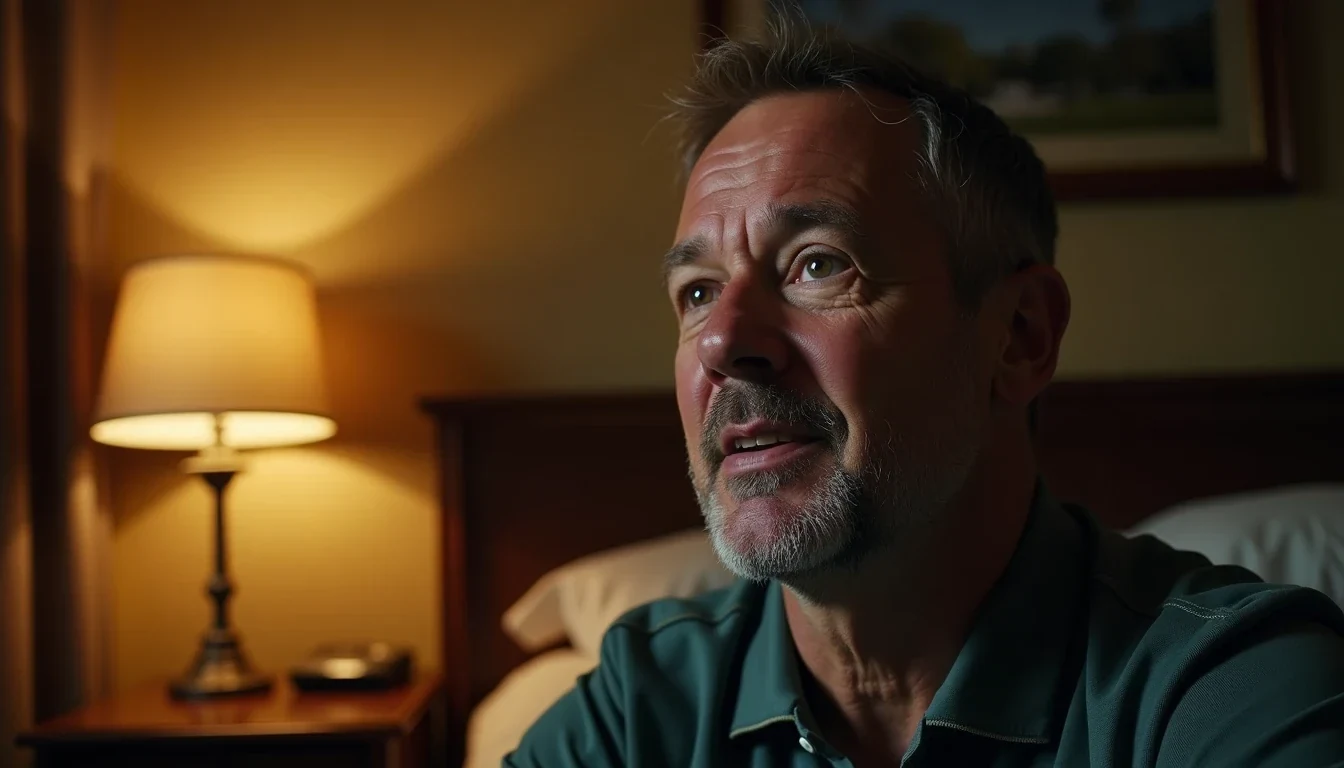
Rassie Erasmus built a bigger stadium from a hotel room than World Rugby could fit in Dublin. Within 48 hours of launching watchwithrassie.com, the Springbok coach had between 87,000 and 100,000 people signed up to watch him watch a game he was banned from attending. The Aviva Stadium holds 51,000. He beat its capacity without laying a brick, selling a ticket, or showing a single second of match footage.
The ban itself accelerated the project. World Rugby barred him from six matches, from contacting players or management on match days, and from setting foot inside the stadium. By Thursday he was already reporting 47,000 sign-ups from 88 countries, telling fans to “fill the Aviva from home.” The numbers kept climbing. The platform was personal, not official. There was no Springbok branding, no SA Rugby endorsement, and no match stream. Erasmus appeared on camera from his hotel, reading messages and reacting to whatever he saw on his own television, while fans watched the Test separately on theirs.
The Technical Stack Behind a 48-Hour Launch
A site pulling six-figure sign-ups in two days needs reliability under spike, not bespoke engineering. The most probable architecture is ordinary.
WordPress with a membership plugin like MemberPress or Paid Memberships Pro handles registration and user gating. WPForms or Gravity Forms collect sign-up data and pipe it to Mailchimp or ConvertKit for confirmation emails and list management. A CDN, almost certainly Cloudflare, sits in front to cache static assets and absorb traffic bursts without the origin server falling over. For the live stream itself, YouTube Live or Vimeo Livestream provides the backbone. Alternatively, a custom RTMP feed through AWS Elemental MediaLive offers more control over the player experience.
Serverless functions, AWS Lambda or Google Cloud Functions, process the backend load: sign-up validation, email triggers, and perhaps a queue for handling the crush of simultaneous registrations when a tweet drops. None of this is exotic. None of it requires a dev team of twenty. The constraint was time, not complexity, and the solution was to rent scale rather than build it.
Why “Personal, Not Official” Is a Legal Strategy
The framing was a rights firewall, not modesty.
Broadcast rights for international rugby are ferociously guarded. SuperSport, Sky Sports, and their counterparts pay enormous sums for exclusive territory. Showing match footage on watchwithrassie.com would have drawn takedown notices before kick-off. Erasmus’s stream showed only his face, his reactions, and his commentary on a match he watched the same way any subscriber did: on a television he paid to access.
This places the venture in the category of reaction content, legally distinct from rebroadcast. Fans supplied their own match feed. The platform supplied only Erasmus. The “personal, not official” disclaimer further distanced the project from SA Rugby, World Rugby, and the Springboks as institutions, neutering any claim that he was conducting official team business or exploiting commercial partnerships he did not control.
The ban prohibited contact with players and attendance at the ground. It did not prohibit talking to a camera in a hotel room. The loophole was precise.
The Marketing Mechanics of Manufactured Scarcity
There was no advertising budget, nor did there need to be.
Erasmus’s personal brand provided the initial lift. His Twitter announcement reached followers who already cared and trusted his voice. The ban created artificial scarcity: here was a man legally prevented from doing his job, offering the closest possible substitute. The exclusivity was real because the restriction was real. Fans were not buying access to a superior viewing experience. They were buying proximity to a specific person at a specific moment, under conditions that would not repeat.
The “fill the Aviva from home” line turned individual sign-ups into collective action. Each registration was a vote, a small defiance of the ban’s isolation. Word-of-mouth followed because the concept was inherently shareable: watch a coach watch a game he cannot coach. Media coverage of the controversy doubled as free promotion, as news outlets reporting the ban inevitably mentioned the workaround.
What This Means for Direct Audience Building
The lesson is not that every brand needs a banned celebrity. It is that traditional media channels are increasingly optional for reaching large audiences, and that legal constraints can be navigated with precise framing rather than expensive licensing.
For businesses building direct fan or customer relationships, the relevant elements are: a personality-driven value proposition that cannot be replicated by competitors; a distribution mechanism owned by the creator rather than rented from platforms; and a clear legal or strategic boundary that defines what the product is not. Erasmus’s stream was not a broadcast. It was not official. It was not a substitute for the match. Each negation clarified what remained: access to him, on his terms, in a moment of genuine narrative tension.
The infrastructure to replicate this is available to any business with a credit card and a weekend. The harder part is the positioning: knowing exactly what you are offering, what you are legally permitted to offer, and why someone would choose your channel over the official one. Erasmus knew all three before he opened his laptop.